

Categories
Real Estate & Market TrendsPublished October 15, 2026
Buying a North Georgia Mountain Home in Fall 2026: The Inspection and Financing Checklist That Protects Your Investment

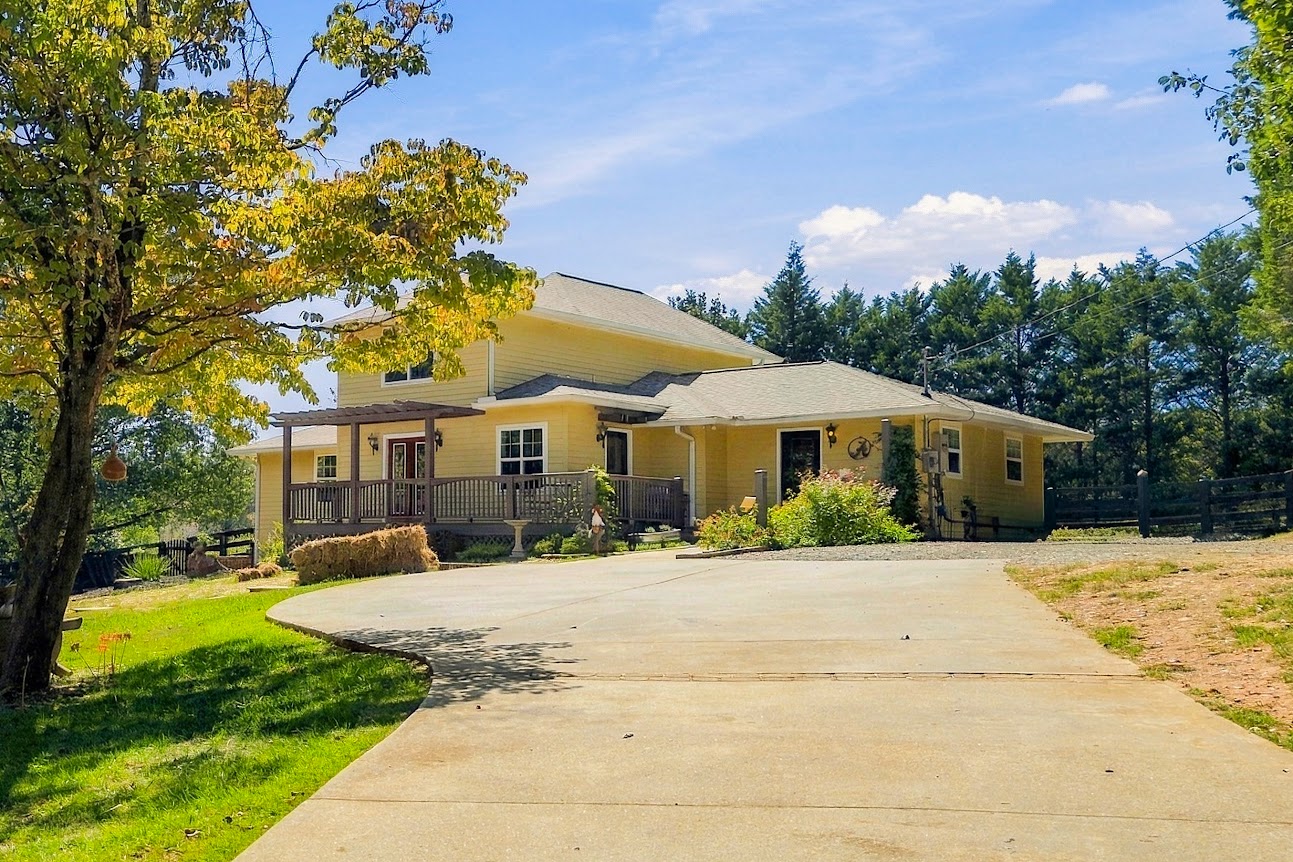
A mountain home should deliver peaceful mornings, reliable systems, and long-term value, not an expensive list of surprises.
If you are searching for homes for sale in the North Georgia mountains, the smartest move this fall is to slow down where it matters: inspection, insurance, financing, and documentation.
The current environment gives qualified buyers room to be thorough. Most North Georgia counties show roughly 4.5 to 11 months of supply, and about half of active listings have experienced a price reduction. In Fannin County, the Blue Ridge area has recorded approximately 11.2 months of supply, with homes taking roughly 86 to 101 days to sell year to date through August 2026.
Gilmer County, home to much of the Ellijay market, has also shown elevated inventory, with approximately 9.3 to 10.7 months of supply and homes spending about 69 to 71 days on the market.
This is not a reason to make a low offer on every cabin.
It is a reason to negotiate from facts.
Start With a Mountain-Specific Inspection Plan
A standard home inspection is essential, but mountain properties require a deeper review.
Steep grades, private roads, wells, septic systems, retaining walls, crawlspaces, and exposed decks all create risks that may not appear during a quick showing. A beautiful view does not confirm a stable slope, adequate septic capacity, or insurable construction.
Hire an independent inspector with experience in North Georgia mountain homes and cabins.
Then add specialized inspections where the property requires them.
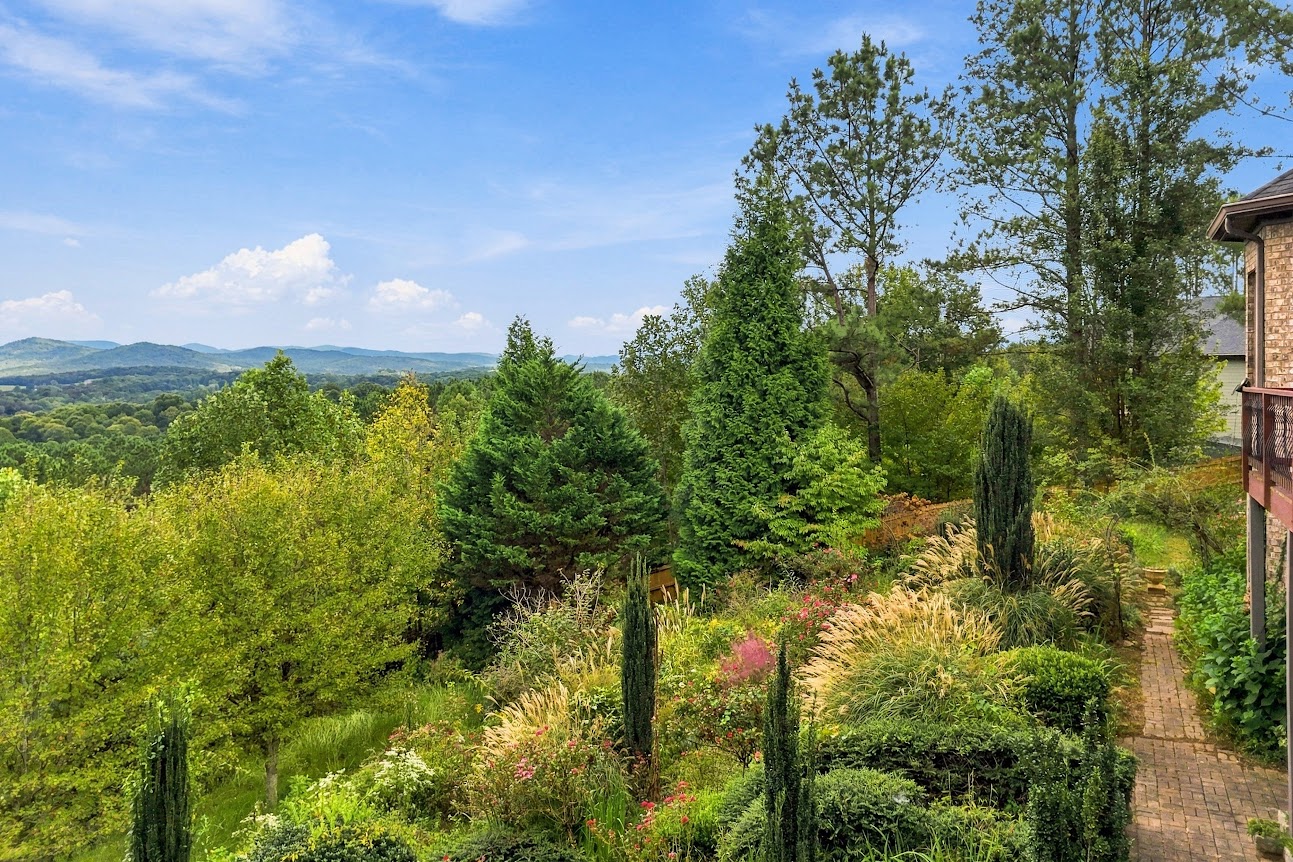
Your North Georgia mountain-home inspection checklist
Use this list before your due-diligence deadline expires:
- Well and water supply
-
- Confirm the well-construction record and location.
- Test water for bacteria, including total and fecal coliform.
- Consider chemical testing for arsenic, lead, iron, manganese, and other local concerns.
- Test flow, recovery rate, pressure tank, filtration equipment, and pump operation.
- Ask for the well-pump age and any prior repair records.
- Septic system
-
- Obtain the county septic permit and approved plans.
- Confirm the system’s design capacity matches the home’s legal bedroom count.
- Review pumping records, repairs, tank location, and drain-field location.
- Have the tank opened and the system evaluated by a qualified septic professional.
- Do not assume a finished basement bedroom is supported by the existing septic system.
- Driveway and drainage
-
- Inspect steep grades, culverts, swales, retaining edges, and runoff routes.
- Look for erosion, washouts, standing water, exposed soil, and damaged gravel.
- Ask who maintains a private road and how emergency vehicles access the property.
- Test the driveway in wet weather whenever possible.
- Foundation, slope, and retaining walls
-
- Review foundation walls for cracking, bowing, settlement, and water intrusion.
- Examine retaining walls for movement, drainage, leaning, and failed tiebacks.
- Consider a structural engineer when the inspector identifies slope or foundation concerns.
- Watch for doors that stick, sloping floors, or cracks that have been covered cosmetically.
- Crawlspace and moisture
-
- Inspect for standing water, damp soil, mold, wood rot, and poor ventilation.
- Confirm that a vapor barrier is installed correctly and remains intact.
- Look for plumbing leaks, condensation, damaged insulation, and evidence of prior flooding.
- Decks, stairs, and railings
-
- Check ledger boards, support posts, footings, fasteners, railings, and stair stringers.
- Confirm elevated decks are safe and properly maintained.
- A deck with a long-range view is an asset only when its structure is sound.
- Roof and exterior
-
- Confirm roof age, remaining life, flashing condition, gutters, and downspouts.
- Ask about prior wind or hail damage.
- Inspect siding, logs, trim, chimneys, and roof penetrations for moisture entry.
- Get an insurance quote before your inspection contingency ends.
- HVAC and fuel systems
-
- Confirm the HVAC system is correctly sized for the home.
- Review system age, service history, ductwork, insulation, and crawlspace installation.
- Verify propane tank ownership, fuel contracts, regulator condition, and service access.
- Ask whether the home has backup heat or generator provisions.
- Wood-destroying insects
-
- Order a wood-destroying insect inspection.
- Review evidence of termites, carpenter ants, powderpost beetles, wood rot, and previous treatment.
- Pay close attention to crawlspaces, decks, log siding, retaining structures, and damp areas.
- Radon
-
- Order a short-term radon test in the lowest occupied level.
- North Georgia includes areas with elevated radon potential.
- If results are elevated, use a qualified mitigation professional before closing.
- Chimneys and fireplaces
-
- Have wood-burning fireplaces, flues, dampers, liners, and chimney caps evaluated.
- Ask whether the chimney has been swept and inspected recently.
- Never treat a decorative fireplace as a functioning system without professional confirmation.
Inspection findings are not automatically deal-breakers.
They are negotiation tools.
Use the Due-Diligence Period Strategically
Your contract should include appropriate inspection, financing, appraisal, title, insurance, and due-diligence protections. A Georgia real estate attorney can explain the specific deadlines and rights in your contract.
If the inspection identifies a serious concern, request one of three outcomes:
- Seller repairs completed by licensed professionals before closing.
- A seller-paid credit toward approved closing costs or repairs.
- A price adjustment that reflects the documented cost and risk.
Require written estimates, permits when applicable, paid invoices, warranties, and a final reinspection.
A seller concession may be more useful than a cosmetic repair, especially when you are buying a cabin with a questionable septic system, aging well pump, or drainage problem.
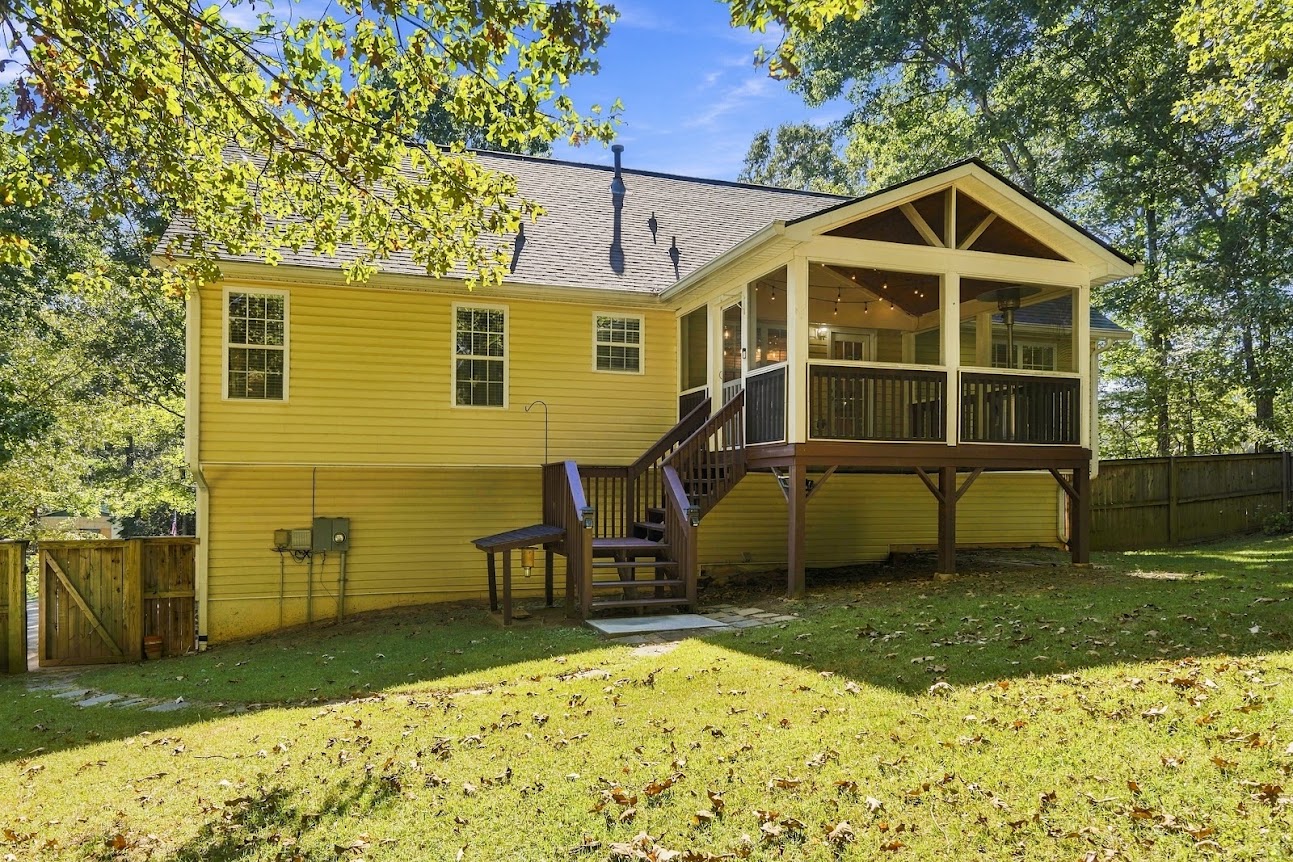
What does skipping this cost you?
A missed cosmetic issue may cost a few hundred dollars.
A missed septic or well failure can cost five figures. A failing retaining wall, unstable driveway, major crawlspace moisture problem, or uninsurable roof can cost considerably more, and may affect your ability to refinance or resell.
The most expensive mountain-home mistake is buying the view before proving the infrastructure.
Understand the Rate Reality Before You Tour
As of October 8, 2026, the average 30-year fixed mortgage rate is sitting around 7.45% to 7.52%. Rates remain volatile and may move with inflation data and Federal Reserve decisions through the end of the year.
Use the Federal Reserve mortgage-rate series as a broad reference, but request same-day quotes from multiple lenders because your rate depends on credit, loan size, occupancy, points, property type, and reserves.
What does a 1% rate swing actually cost?
On a $400,000 30-year loan:
- At approximately 7.52%, principal and interest is about $2,805 per month.
- At approximately 6.52%, principal and interest is about $2,530 per month.
- The difference is roughly $275 per month, before taxes, insurance, HOA fees, and mortgage insurance.
That is why financing strategy matters.
It is also why you should not sacrifice inspection protections to chase a small daily rate change.
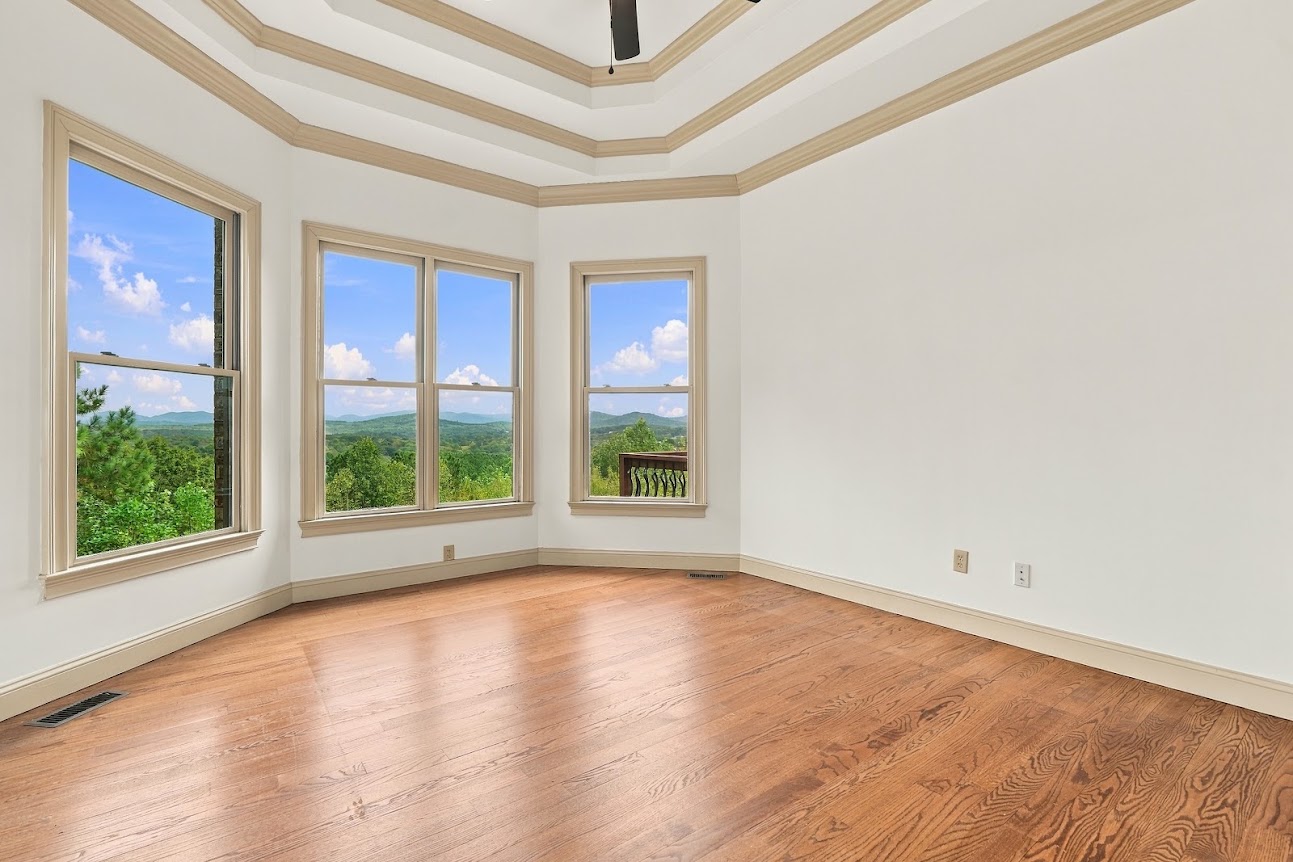
Your Mountain-Home Financing Checklist
Before touring seriously, complete these steps:
- Get fully underwritten pre-approval, not just prequalification.
-
- Provide income, asset, debt, employment, and tax documentation.
- Confirm the amount of cash needed for down payment, closing costs, and reserves.
- Ask how quickly the lender can issue an updated approval.
- Tell the lender what you are buying.
-
- Explain whether the home is a primary residence, second home, or rental.
- Disclose well and septic utilities, private roads, steep access, acreage, log construction, outbuildings, and finished basements.
- Confirm that the intended short-term-rental use is allowed by the loan program, county, and HOA.
- Compare financing structures.
-
- Request fixed-rate, adjustable-rate, conventional, FHA, VA, USDA, jumbo, and portfolio options when applicable.
- Ask about a temporary or permanent rate buydown.
- Compare zero-point and discount-point scenarios using the APR and total cash-to-close, not only the advertised rate.
- Negotiate seller-paid costs.
-
- Current inventory may create opportunities for seller-paid points, closing-cost credits, repairs, or a combination.
- In Fannin County, the approximately $644,500 year-to-date median sale price and extended marketing times provide evidence for a condition-based negotiation.
- In Gilmer County, elevated supply supports careful appraisal and repair discussions.
- Plan your rate-lock strategy.
-
- Ask how long the lock lasts, what an extension costs, and whether a float-down option is available.
- Coordinate the lock with appraisal, insurance, repair completion, and closing timing.
- Do not lock until you understand the full loan estimate.
- Confirm insurance before you become nonrefundable.
-
- Mountain homes may have unique roof, slope, fireplace, access, wildfire, water, or replacement-cost considerations.
- Get a bindable insurance quote early.
- Protect your approval.
-
- Do not open new credit, finance a vehicle, change jobs, move large sums without documentation, or make unexplained deposits.
- Keep your financial profile stable from pre-approval through closing.
Visit the Area Beyond the Showing
Fall is an excellent time to evaluate both the property and the lifestyle.
The Georgia Apple Festival takes place October 10–11 and 17–18, 2026, at the Ellijay Lions Club Fairgrounds. The Apple Arts Festival is scheduled for downtown Ellijay October 10–11, and Blue Ridge Fall Arts in the Park takes place October 10–11.
You can also experience apple picking at B.J. Reece Orchards and R & A Orchards, explore downtown Blue Ridge and Ellijay, visit Mercier Orchards, and sample mountain wineries. Fall foliage typically peaks from late October into early November.
Test the area during both a busy weekend and a quiet weekday.
Can you reach groceries, medical care, and emergency services comfortably? Does the private road feel manageable after rain? Are cell service and internet reliable enough for your needs?
These details matter whether you are considering Blue Ridge GA cabins for sale, Ellijay GA real estate, Blairsville GA homes for sale, Hiawassee GA real estate, Jasper homes for sale, or a home near Talking Rock, Ball Ground, Canton, Bent Tree, Big Canoe, Gibbs Gardens, Amicalola Falls, or Carters Lake.
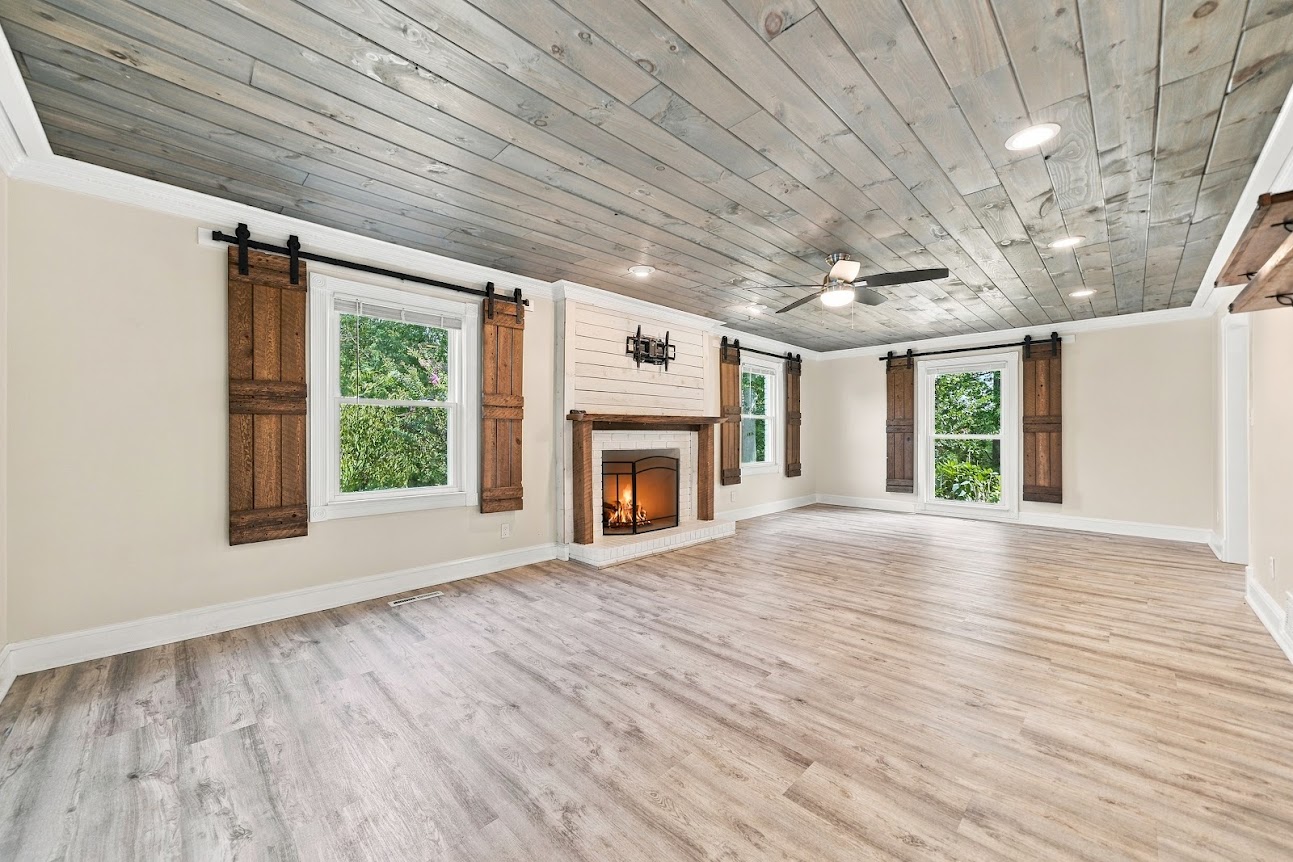
Buy With Local Perspective
The right property may appear in North Georgia real estate listings as a cabin, retreat, second home, or full-time residence. Its value depends on more than finishes and scenery.
You need someone who can help you evaluate access, local contractors, county records, utility systems, resale considerations, and neighborhood context.
Whether you are comparing a top real estate agent in Jasper, Ellijay, Canton, Ball Ground, or Woodstock, choose an advisor who will stay involved after the offer is accepted.
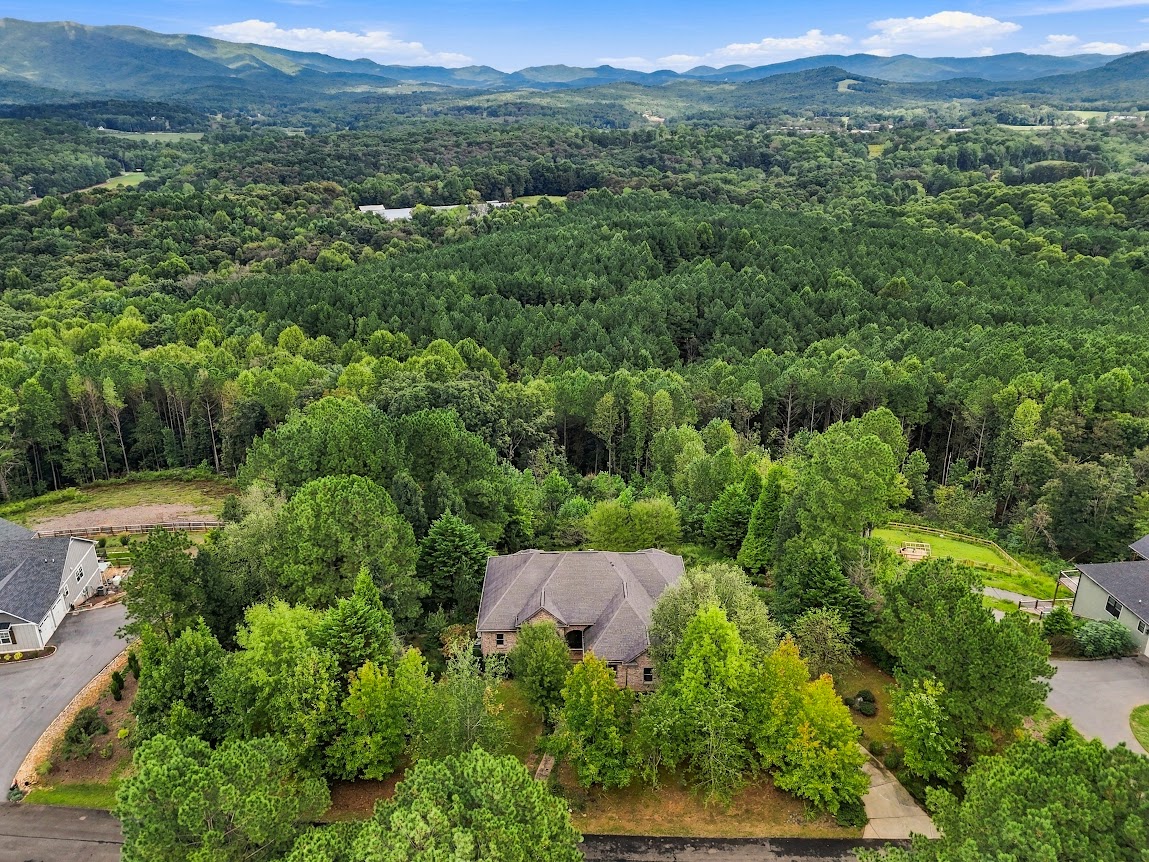
The Davenport Group brings 42 years of local North Georgia expertise, hands-on video tours for out-of-state buyers, and a communication-first approach throughout the transaction.
Explore current North Georgia home searches, or connect with The Davenport Group before you begin touring.
The next move is yours: make it with clear numbers, verified systems, and a mountain home that protects the investment behind the view.

Rachel Davenport
| The Davenport Group | Keller Williams Realty Partners
or another way