

Categories
Real Estate & Market TrendsPublished October 29, 2026
7 Mistakes Out-of-State Buyers Make When Buying a Cabin in Blue Ridge (and How to Avoid Them)

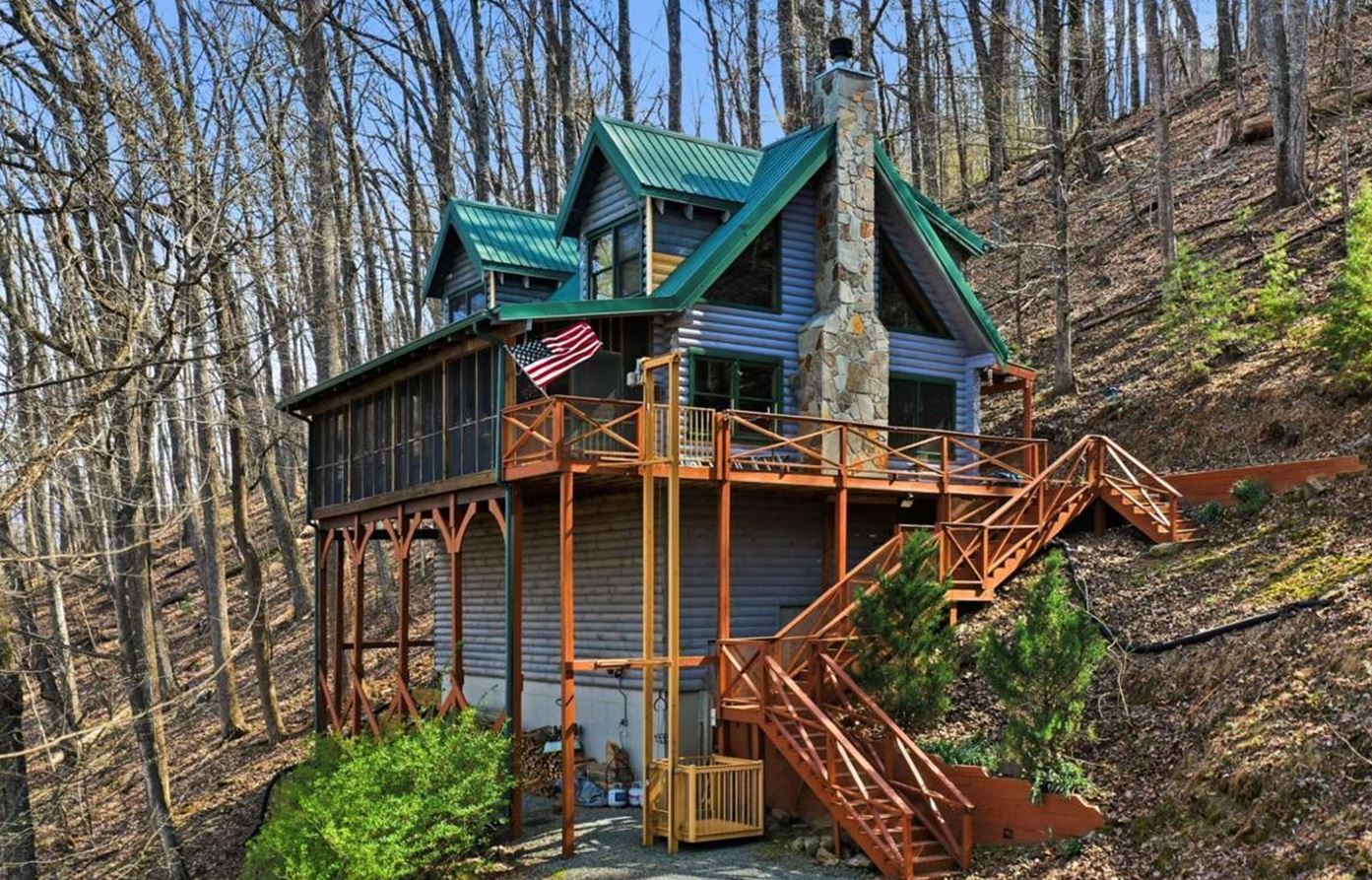
A cabin in Blue Ridge can be a peaceful second home, a full-time move, or a base for exploring North Georgia. But buying from out of state means you may not be able to pop over for a second look, or know which questions to ask about a mountain property.
The right strategy makes the difference. Before you fall for the porch, view, or firepit, watch for these seven common mistakes.
1. Choosing an agent without deep local knowledge
Mountain properties don’t all work the same way. A home near downtown Blue Ridge can have different utility providers, access conditions, rules, and daily conveniences than a cabin tucked along a rural road. And the details can change from one county or community to the next.
Choose an agent who knows the area beyond the listing photos: someone who can help you compare Blue Ridge with Ellijay, Blairsville, Hiawassee, or Young Harris based on how you plan to use the home.
At The Davenport Group, our local experience spans Kennesaw through Young Harris. For out-of-state buyers, we provide thorough video tours that help you assess the home, surroundings, and approach before you travel. A useful tour should show more than the kitchen: it should capture the road, driveway, outdoor spaces, nearby surroundings, and anything you want to inspect more closely.
A good video tour helps you make a more informed next move, not a blind one.
2. Assuming the cabin has city utilities
Some mountain homes connect to public water and sewer. Others rely on a private well, septic system, propane, or a combination of utilities. Never assume the setup from the listing description.
For a private well, ask about water testing, pump condition, water pressure, and any filtration or storage system. For septic, request the permit and service records, and confirm the system’s approved capacity. A bedroom count on a listing does not necessarily tell you what the septic system can support, especially if you’re considering frequent guests or short-term rentals.
Ask your agent to help you identify the records to request, then use qualified inspectors and service professionals during due diligence.
3. Underestimating the road and driveway
A scenic mountain setting may come with steep grades, gravel roads, sharp turns, or a long driveway. Those features can affect your everyday comfort, deliveries, emergency access, and winter travel.
Ask whether the road is publicly maintained or private. If it’s shared, review recorded access and road-maintenance documents. Visit the property in person when possible, and drive the full route, not just the paved part.
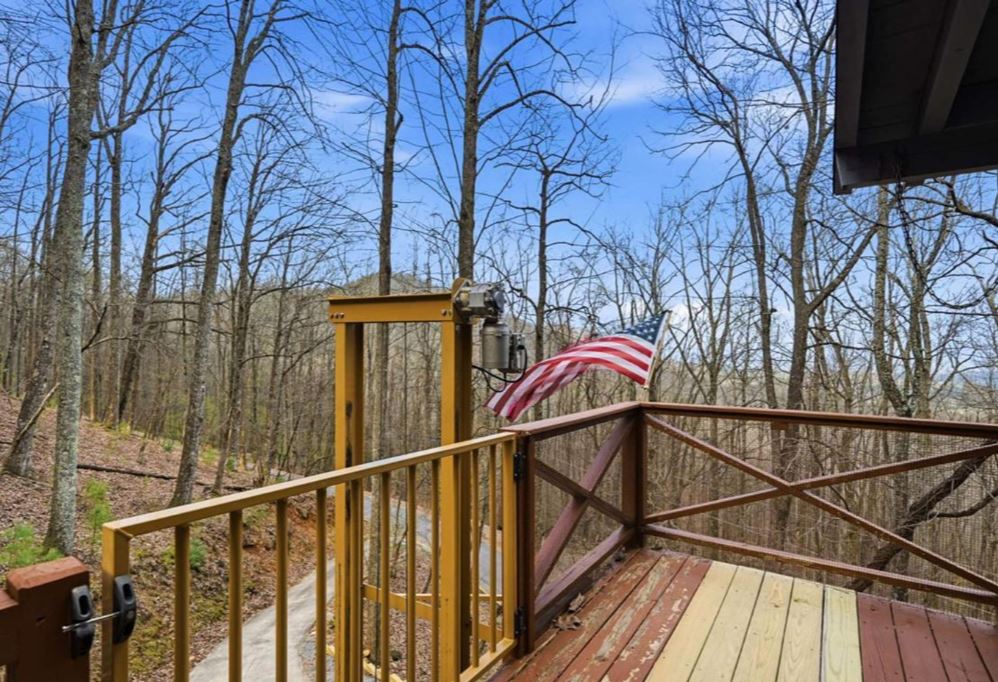
If you’re buying from a distance, request a video of the complete approach to the home. Look for drainage issues, washouts, narrow sections, steep slopes, and places where two vehicles can pass or turn around. Ask who handles maintenance and what happens after heavy rain or freezing weather.
A mountain view is a plus. Reliable access is essential.
4. Treating short-term rental income as guaranteed
Planning to rent the cabin when you’re not there? First confirm that rentals are allowed at the specific property address. Rules may depend on whether the home is inside Blue Ridge city limits or in unincorporated Fannin County. Recorded covenants or HOA rules can impose additional restrictions, even where local regulations allow rentals.
Before you make an offer, review the current requirements with the relevant city or county office and check the property’s covenants. Ask about registration, taxes, occupancy, parking, noise, septic capacity, and local-contact requirements. Fannin County provides its current short-term rental information and application links.
Also build a realistic operating plan. Who will respond to a guest issue, arrange cleaning, handle maintenance, or get to the property if a storm causes a problem? Verify the rules and the numbers before counting on rental income.
5. Overlooking flood risk near a creek
A creek can make a cabin feel special, but proximity to water deserves careful review. Mountain streams can rise quickly after heavy rain, and elevation alone doesn’t tell you whether a property or its access route is at risk.
Check the property using the FEMA Flood Map Service Center and ask your lender or insurance professional about the property’s flood determination and coverage options. Pay attention to drainage channels, low areas, culverts, retaining walls, and signs of erosion or past water intrusion.
A mapped flood zone is not the only reason to ask questions. Request an insurance quote early and have appropriate professionals inspect areas of concern before your due-diligence period ends.
6. Using the wrong financing assumptions
A primary residence, second home, and investment property can be treated differently by a lender. The intended use affects qualification, down payment, reserves, and how rental income may be considered. Don’t describe an investment plan as occasional personal use to fit a different loan category.
Talk with your lender before touring seriously. Explain how often you’ll occupy the home and whether you intend to rent it. Ask how the property’s access, utilities, construction, insurance, and comparable sales could affect the loan and appraisal.
For a general overview, see Fannie Mae’s occupancy guidance. Your lender can explain how the requirements apply to your situation and the specific property. The Davenport Group’s home-buying guide can help you understand the transaction steps, too.
7. Judging the cabin by the view, and not the drive or lifestyle
Blue Ridge is about 90 miles north of Atlanta, according to the Blue Ridge visitor guide. The route uses I-75 and I-575, then continues north on Highway 515. But your true travel time depends on traffic, weather, your route, and how far the cabin sits from the main road.
Try the drive at the times you expect to travel. Then check what daily life will look like once you arrive. Will you be close to restaurants and shops, or is privacy and a longer drive part of the appeal?
The wider region gives you plenty to explore:
- Blue Ridge: Visit downtown, ride the Blue Ridge Scenic Railway, explore the Aska Trails, or spend time around Lake Blue Ridge and the Toccoa River. Mercier Orchards is a popular stop for apples and cider; local dining and brewery options add variety to a weekend.
- Ellijay: Explore apple orchards, wineries, and the Cartecay River area. It’s a strong choice if you want mountain scenery with a lively orchard-and-farm-market culture.
- Blairsville: Consider Vogel State Park, waterfalls, and access to Brasstown Bald and Appalachian Trail hikes.
- Hiawassee and Young Harris: Lake Chatuge offers boating and shoreline recreation, while Hamilton Gardens and Crane Creek Vineyards add gardens, wine, and mountain views.
For current ideas and seasonal updates, browse the official Blue Ridge visitor guide, the Gilmer County Chamber’s Ellijays guide, and Explore Towns County.
The right cabin should fit the way you want to live, not just the way it looks in a listing.
Make your next move with a local plan
When you compare Blue Ridge GA cabins for sale, cabins for sale in North Georgia, or North Georgia mountain homes for sale, look beyond the view. Verify the utilities, access, local rules, flood exposure, financing, and everyday drive before you commit.
The Davenport Group helps out-of-state buyers with local insight, personalized guidance, and detailed video tours. Start with your priorities, ask the property-specific questions, and choose the home that works for your life. Browse current listings or connect with our team to plan your search.

Rachel Davenport
| The Davenport Group | Keller Williams Realty Partners
or another way